Estate Junk Removal
in Chesapeake.
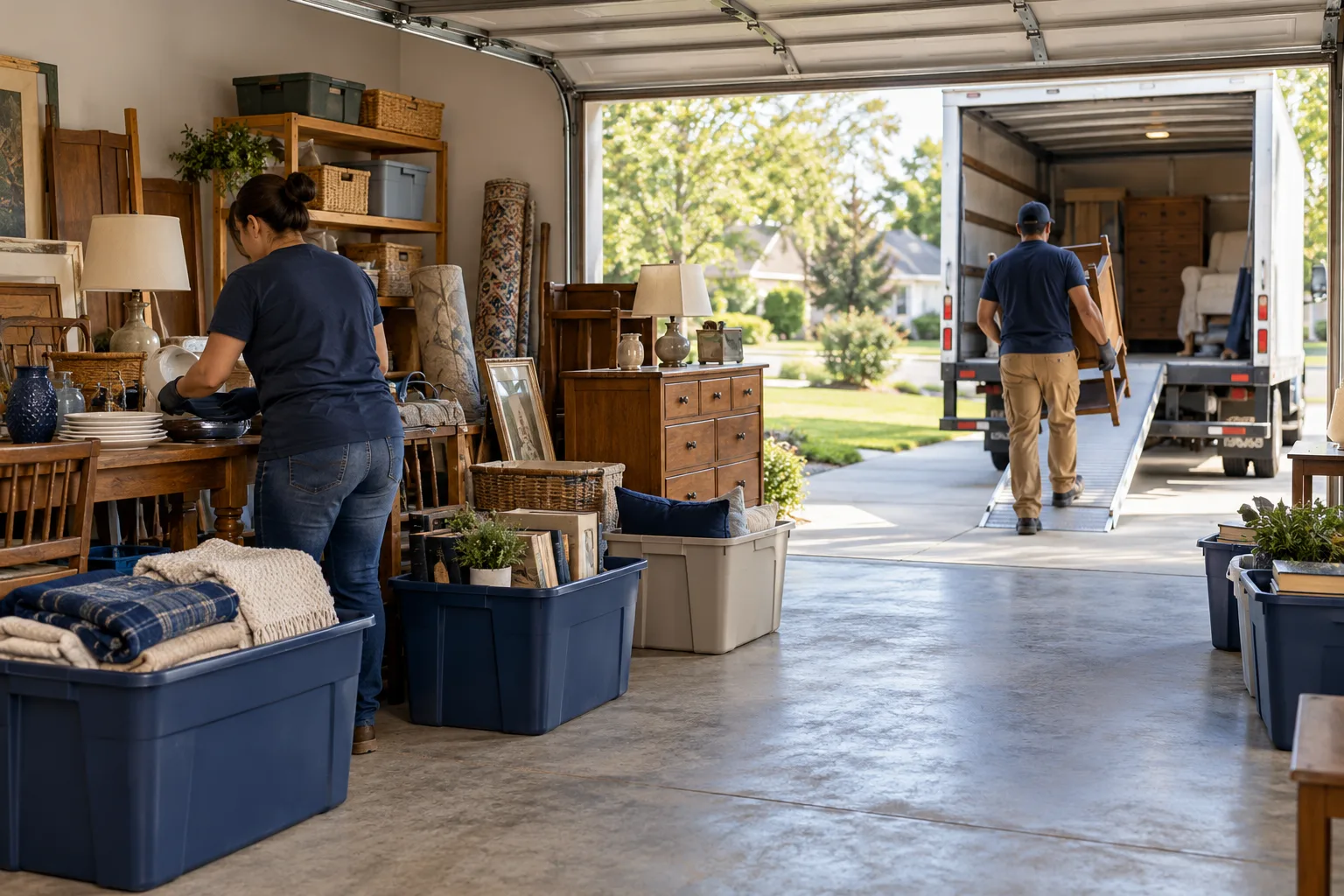
A defined removal scope after the keep, transfer, and review decisions are made.
What this scope can include
- Bagged household contents and boxed items
- Unwanted furniture and common household goods
- Garage, attic, and storage-area contents when accessible
- Final loads after a sale, move, or family distribution
What needs a separate decision
- Items with unclear ownership or release status
- Chemicals, fuel, asbestos, biological waste, or other regulated materials
- Unknown sealed containers without inspection
What shapes the estimate.
Photos help establish scale, but a walkthrough may still be needed for stairs, multiple rooms, or unusual items.

Prepare the property
Secure records, valuables, keys, medications, and personal devices before the crew arrives. Mark any room, closet, cabinet, or item that is outside the approved scope. Make sure the authorized decision-maker can be reached if something uncertain appears.
Clear the walking route where practical. Share gate codes, elevator rules, parking limits, floor concerns, and the intended truck position in advance.
Related estate cleanout paths.
Use a narrower page when the property’s main need is already clear.
 Estate CleanoutPlan a whole-property cleanout around the rooms, the people making decisions, and the access available.→
 Inherited Property CleanoutOrganize an inherited home around ownership decisions, family access, and the property timeline.→
 Deceased Estate CleanoutA measured cleanout plan for a loved one’s home, with clear stop points for personal items and records.→
 Probate Property CleanoutCoordinate removal around authority, inventory, and timing already established by the estate representative.→
Questions to settle early
What should be removed before the walkthrough?
Secure documents, cash, jewelry, medications, firearms, keys, personal devices, and anything the estate has not released.
Can work begin before every decision is final?
It can be phased only when the authorized person defines clear work and no-work areas. Uncertain items stay in place.
What photos are useful?
Photograph each room from the doorway, large pieces, stairs, narrow turns, gates, elevators, and the expected loading position.
Define the rooms and the decision boundaries first.
Then plan access, handling, and the loading sequence.
Plan an estimate